
Swami Vivekananda
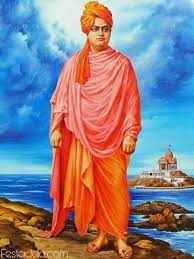
Swami Vivekananda (/ˈswɑːmi ˌvɪveɪˈkɑːnəndə/; Bengali: [ʃami bibekanɔndo] (listen); 12 January 1863 – 4 July 1902), born Narendranath Datta (Bengali: [nɔrendronatʰ dɔto]), was an Indian Hindu monk, philosopher, author, religious teacher, and the chief disciple of the Indian mystic Ramakrishna.[4][5] He was a key figure in the introduction of Vedanta and Yoga to the Western world[6][7][8] and is credited with raising interfaith awareness, and bringing Hinduism to the status of a major world religion.[9] Born into an aristocratic Bengali Kayastha family in Calcutta, Vivekananda was inclined from a young age towards religion and spirituality. He later found his guru, Ramakrishna, and became a monk. After the death of Ramakrishna, Vivekananda extensively toured the Indian subcontinent, acquiring first-hand knowledge of the living conditions of Indian people in then British India. Moved by their plight, he resolved to help his countrymen and found a way to travel to the United States, where he became a popular figure after the 1893 Parliament of Religions in Chicago, in which he began his famous speech with the words: Sisters and brothers of America... before introducing Hinduism to Americans.[10][11] He was so impactful at the Parliament that an American newspaper described him as "an orator by divine right and undoubtedly the greatest figure at the Parliament".[12]
1 Views
Time : 4 Min
लेखक : Rahul D🤜🤛
© Copyright 2023 All Rights Reserved